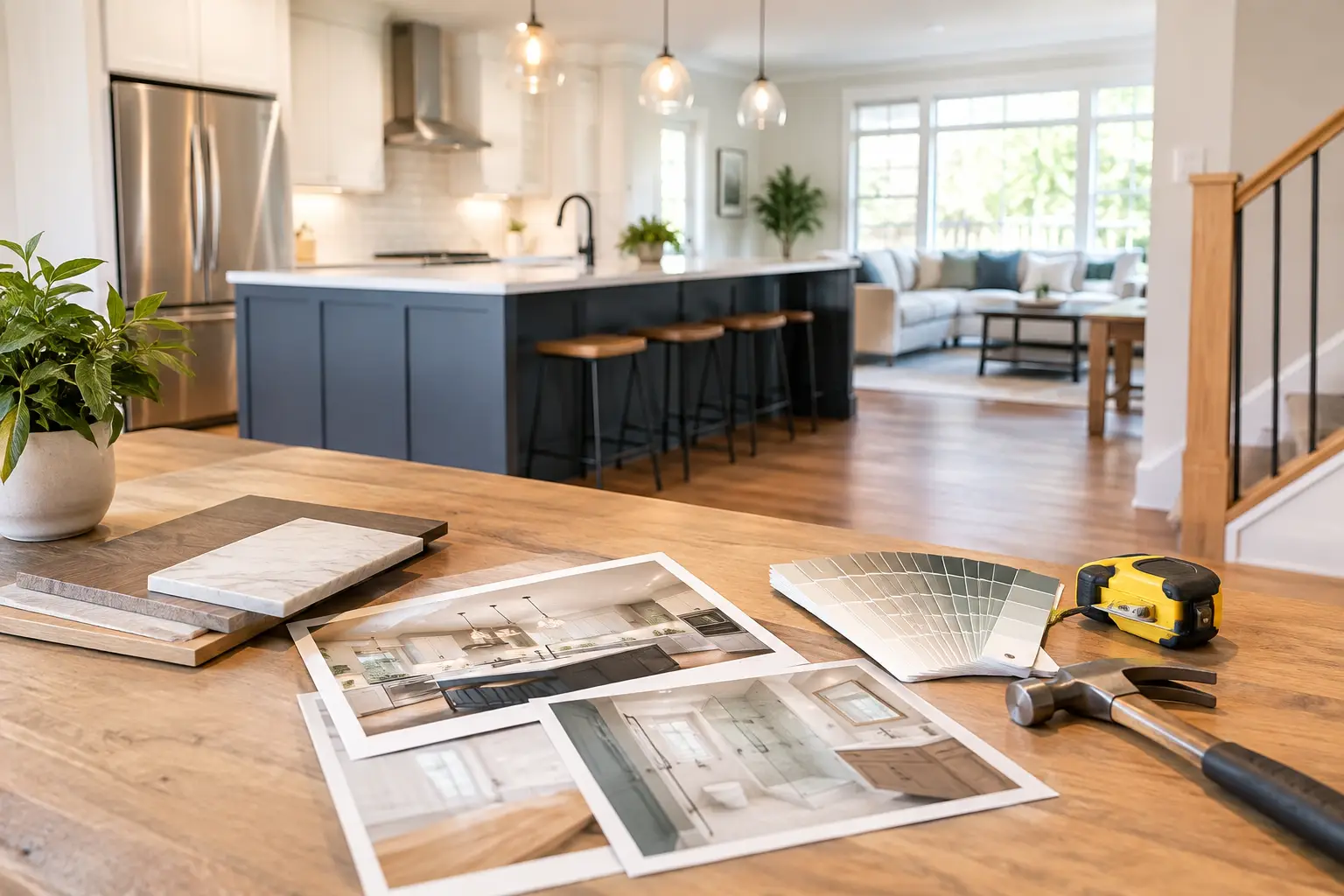
A $70,000 kitchen can help sell a home faster in suburb and leave little room to recover the cost in another. That is why the top renovations adding value are not always the most expensive or visually dramatic. The right project is the that improves how a home lives, presents well against nearby listings and meets the expectations of likely buyers.
For homeowners planning a sale within the next few years, renovation decisions should start with the local market, not a showroom. Review comparable recent sales, inspect competing listings and speak with an experienced local agent before committing to a scope of works. They can identify where buyers are paying a premium and where overcapitalising is a real risk.
What adds value depends on your market
Renovations do not create value in isolation. A polished extension may be worthwhile in a tightly held family suburb where buyers compete for four bedrooms and generous living areas. In an apartment market, however, secure parking, storage, a refreshed kitchen and low costs may matter more.
The ceiling price in your street is equally important. If nearby homes of a similar size and condition are selling within a clear range, spending well beyond that level can be difficult to justify. This does not mean every improvement must pay for itself dollar for dollar. A renovation may reduce time on market, attract stronger offers or make a property more enjoyable while you live there. Just be clear about which outcome you are funding.
The strongest projects usually address a genuine gap between your property and buyer expectations. In many Australian markets, that means clean, functional kitchens and bathrooms, flexible living space, good natural light, usable outdoor areas and a home that looks cared for from the street.
Top renovations adding value before sale
1. A practical kitchen refresh
Kitchens remain a major decision point because they are highly visible and used every day. Buyers tend to notice poor layout, worn cabinetry, inadequate storage and dated benchtops quickly. Yet a full demolition is not always necessary.
A targeted refresh can deliver a strong result: repainting or replacing cabinet fronts, upgrading benchtops, improving lighting, fitting modern tapware and replacing visibly tired appliances. Choose durable, neutral finishes that suit the home’s price bracket. In a premium property, quality joinery, integrated appliances and a considered layout can support the broader proposition. In a mid-market home, a clean, well-equipped kitchen that feels generous and functional is often the better investment.
Avoid designing solely around personal taste. Very dark cabinetry, highly patterned stone and niche colour schemes can narrow the audience when selling.
2. Updated bathrooms and an extra WC
Bathrooms carry similar weight. Leaks, mould, cracked tiles and tired grout can lead buyers to assume there are larger maintenance issues behind the walls. Address defects first, then focus on presentation and function.
If the existing layout works, a cosmetic update may be enough. New vanity units, mirrors, tapware, lighting, shower screens and fresh tiling in key areas can shift the feel of the room considerably. Good ventilation is not glamorous, but it protects the investment and signals a well-maintained home.
For family homes, a second bathroom or additional toilet can be more valuable than a luxurious main bathroom. It depends on the floorplan and local buyer pool. A three-bedroom home with bathroom may benefit from improved amenities if the space and budget allow it.
3. Better layout, storage and liveability
Buyers pay for space, but they also pay for space that works. Removing an unnecessary wall, opening a kitchen to a living area or creating a clearer connection to the backyard can make a home feel larger without adding square metres.
Before changing the layout, consider the trade-off. Open-plan living is still popular, particularly with young families and entertainers, but separate zones for work, study or teenagers are increasingly valuable. A versatile second living room may appeal more broadly than oversized open area.
Storage is another quiet value driver. Built-in robes, a practical laundry, a walk-in pantry, linen cupboards and garage storage make everyday life easier. These features rarely create the same visual impact as a new kitchen, but they can distinguish a home at inspection and reduce objections from buyers.
4. Indoor-outdoor improvements buyers can use
Australian buyers often look for an outdoor area that feels like an extension of the home. This does not require an elaborate resort-style makeover. A tidy deck or patio, level lawn, functional fencing, outdoor lighting and defined planting can make the space feel immediately usable.
Spend in proportion to the home and location. In inner-city areas, a private courtyard with attractive screening and built-in seating may be more valuable than a large lawn. In family-oriented suburbs, secure grassed space and clear sightlines from the kitchen or living room can be a stronger drawcard.
Pools are more nuanced. They can command a premium in some warm-climate and prestige markets, but bring maintenance, safety requirements and a smaller buyer pool in others. Install because it suits your lifestyle, not because you expect a guaranteed resale return.
5. Street appeal and first impressions
The first 30 seconds at an inspection shape a buyer’s expectations of everything that follows. A neglected front garden, damaged fence or peeling exterior paint can make a well-renovated interior feel less convincing.
Prioritise the basics: repair paths and gates, clean the roof and gutters, refresh paintwork where needed, prune overgrown gardens and ensure the entry is well lit. A new front door, modern house numbers or updated garage door can be worthwhile where the existing elements date the façade.
Street appeal should feel appropriate to the property. The goal is not to make every home look like a display suite. It is to show buyers that the property has been maintained and is ready to move into.
6. Energy efficiency and comfort upgrades
Running costs are part of the buyer conversation, particularly as households pay closer attention to energy bills. Insulation, draught sealing, efficient heating and cooling, quality window coverings and solar panels can improve comfort while strengthening the home’s practical appeal.
These upgrades are most persuasive when they solve an obvious issue. A west-facing home that overheats may benefit from shading, insulation and efficient air conditioning. A cold older property may need underfloor or ceiling insulation before cosmetic changes. Keep records, warranties and energy information available for buyers where possible.
Solar can be attractive, but its value varies with system age, size, local electricity costs and buyer priorities. Treat it as part of a well-maintained, efficient home rather than the sole reason for a price premium.
Renovate, repair or leave it alone?
Not every dated feature needs replacing. Buyers can accept an older kitchen or original timber floors if the home is clean, sound and priced accordingly. By contrast, deferred maintenance can undermine confidence quickly. Water damage, faulty electrics, termite issues, roof problems and poor drainage should be addressed before spending heavily on cosmetic work.
A useful rule is to fix what causes doubt before upgrading what simply looks dated. Buyers may budget for a future kitchen, but they are less likely to compete confidently when they fear costly surprises after settlement.
If your budget is limited, focus on paint, repairs, lighting, landscaping, professional cleaning and decluttering. These works can improve photography, inspections and the perceived condition of the property without locking you into a major build.
Set a budget with resale in mind
Start by establishing a realistic current value and likely post-renovation value. Look at recent comparable sales, not just advertised prices. Then cost the work properly, including approvals, design fees, trades, temporary accommodation, contingency and the time you will hold the property.
For larger projects, obtain more than detailed quote and allow a contingency, particularly in older homes where hidden issues are common. Check whether planning permission, strata approval or building certification is required before work begins. Unapproved alterations can complicate a sale and create costly delays.
Finally, match the finish level across the house. A premium new kitchen beside worn carpets, old blinds and an untidy exterior can make the spend feel uneven. Buyers respond best when the whole home tells a consistent story.
Before you renovate, ask a local agent to walk through the property as if it were about to launch. Their view of competing stock, buyer feedback and recent results can help you spend where it will count - and hold back where the market is unlikely to reward you. That clarity is often the most valuable improvement you can make.